
May 21, 2026
If you own, are considering buying, or are repositioning a home in Del Mar, seasonal rental income can look very attractive at first glance. But in this market, strong returns are not just about summer demand. They depend on timing, permit status, pricing discipline, and a home that feels effortless for guests while still protecting long-term value. Let’s dive in.
Del Mar has a rare mix of beach demand, seasonal visitors, and a racetrack calendar that can sharply influence booking patterns. The city’s policy history specifically acknowledges vacation rentals during the summer, holidays, and horse-racing season, which makes those periods central to any revenue plan.
For 2026, the Del Mar Thoroughbred Club summer meet runs from July 17 through September 7, with a second meet from November 6 through November 29. The Pacific Classic is scheduled for August 22. If you are mapping income potential, the strongest demand is likely to cluster around Opening Day, major race weekends, and longer summer stays.
In Del Mar, a beautiful home is not the same as a rentable home. The city has identified 150 existing short-term rentals in its registry, while the adopted program sets a citywide cap of 129 short-term rentals for new permits. A 2023 city analysis found 116 units advertised for daily rent, or about 4.5% of the city’s dwelling units.
That limited supply matters. It means a property’s rental potential is tied not only to location, views, and finishes, but also to whether short-term rental use is legally available to you.
As of May 2026, Del Mar’s short-term rental ordinance is in effect, and the initial permit application window for existing operators closed on May 1, 2026. Approved permits are valid for two years. Existing operators paid an $815 permit fee, with $598 renewals, and new owners must use the city’s short-term rental waitlist until capacity opens under the cap.
For buyers, that creates an important distinction. Short-term rental income should be treated as entitlement-dependent upside, not as a guaranteed feature of every Del Mar property.
The strongest seasonal rental strategy in Del Mar is usually event-based dynamic pricing, not a flat seasonal rate. Peak value often shows up during race meet opening, Opening Day, the Pacific Classic weekend, and summer holiday periods that also align with beach travel.
Because inventory is constrained, premium homes can often command stronger rates when they are positioned for low-friction stays. That can include race attendees, summer visitors, second-home users, or families traveling together.
Instead of trying to maximize every night equally, it often makes sense to build your forecast around a few high-value windows:
In a market like Del Mar, a handful of premium weeks can carry a meaningful share of annual rental performance. That is especially true if the home offers the ease and polish luxury guests expect.
A common mistake is focusing on the nightly rate alone. In Del Mar, the better approach is to price on an all-in, tax-aware basis so you can see what actually reaches your bottom line.
The city’s transient occupancy tax rate is 13% and applies to stays of 30 consecutive calendar days or less. It is calculated on the total amount charged, including cleaning, amenity, pet, extra guest, cancellation or change, Wi-Fi, and other required fees.
Because so many charges are taxable, a lower base rate plus multiple surcharges does not automatically improve your net. In many cases, a cleaner structure is easier for guests to understand and easier for owners to underwrite.
A practical model may include:
When you evaluate real performance, subtract the costs that shape actual yield:
Not every Del Mar property needs to operate as a short stay all year. In fact, some owners may be better served by a blended approach that captures premium event weeks and uses longer furnished stays during slower periods.
That matters because Del Mar’s transient occupancy tax applies only to stays of 30 days or less. If your goals include offsetting carrying costs while reducing wear, a mix of high-rate peak rentals and longer stays in quieter periods may offer a more balanced outcome.
This is especially relevant for second homes and design-forward properties. Constant turnover can increase maintenance demands, compress prep time, and make operations more complicated than expected.
A measured strategy can help you earn seasonal income while preserving the property’s quality, resale positioning, and day-to-day ease of ownership. In a luxury coastal market, that balance often matters as much as gross income.
In Del Mar, the most valuable upgrades are often the least flashy. The goal is not to create a themed vacation property. The goal is to create a polished, durable, easy-to-use home that photographs well, lives well, and reduces friction for guests.
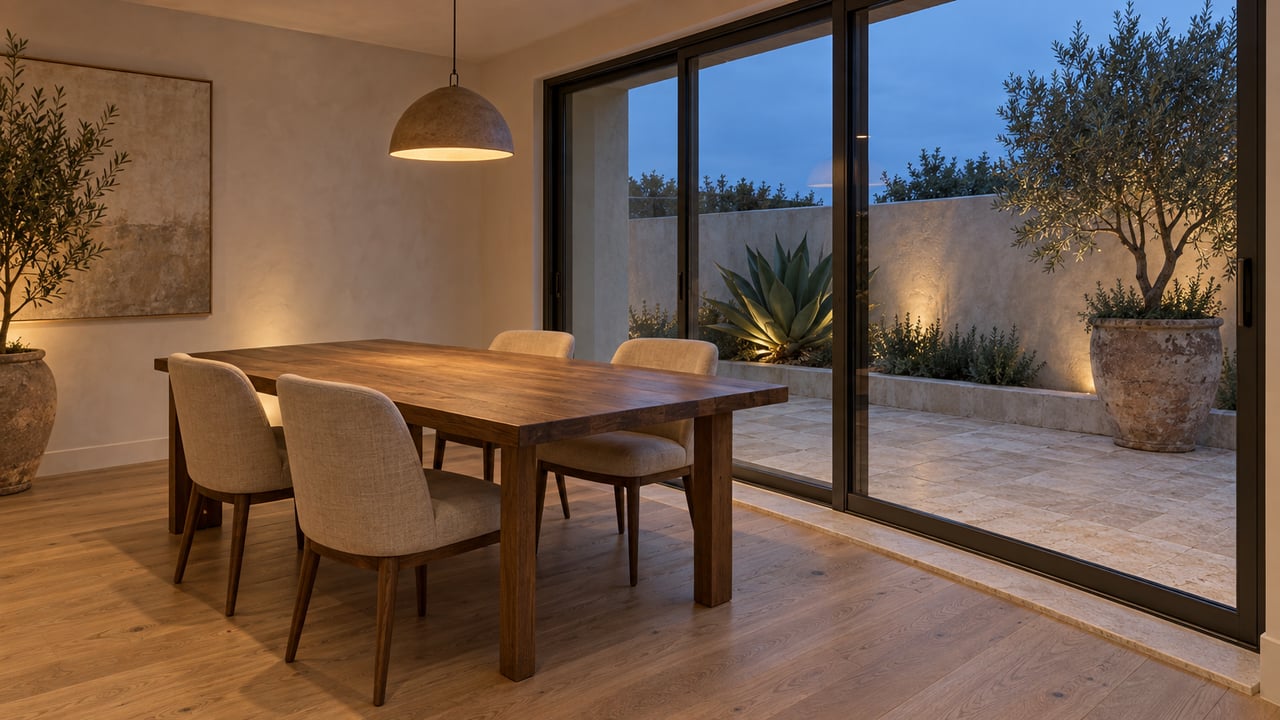
The city’s operating environment makes some features especially important. Off-street parking, a clear parking plan, flexible bedroom count, en-suite baths, and strong indoor-outdoor flow can all support a stronger rental experience.
Luxury guests notice comfort quickly, but they also notice inconvenience. Homes that perform well tend to pair a refined look with materials and systems that can handle repeat use.
Features that may support stronger nightly rates and smoother operations include:
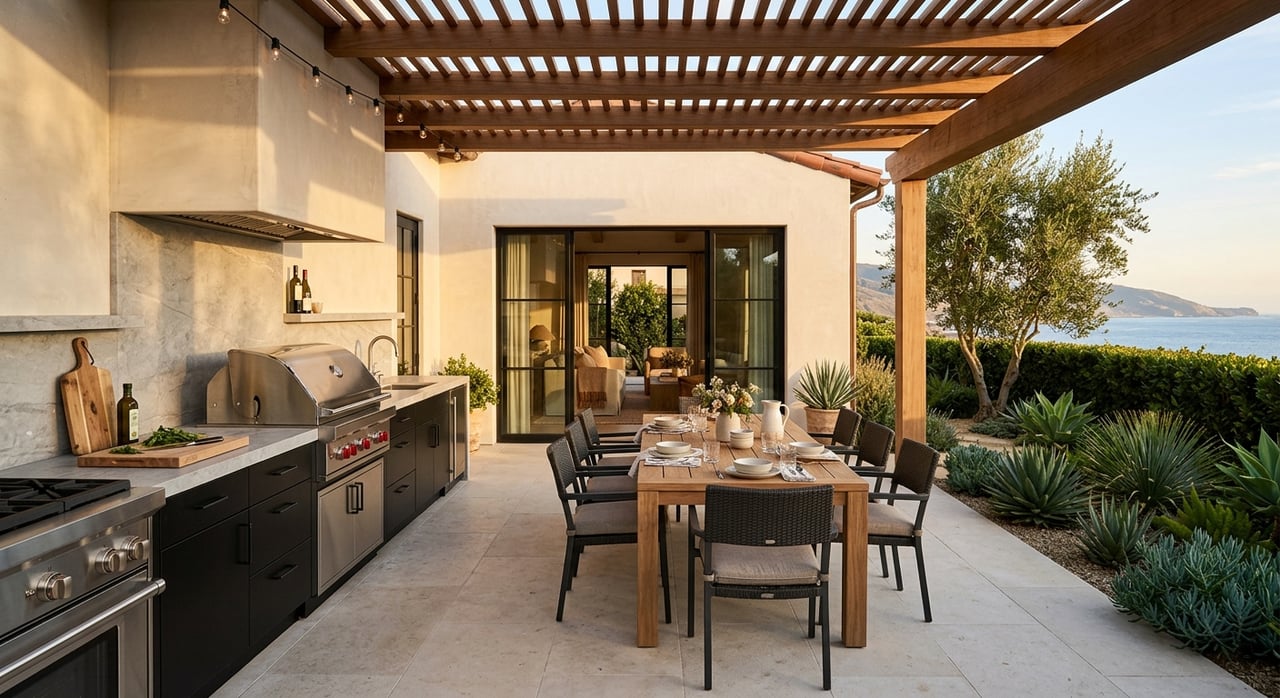
Outdoor living also matters in Del Mar. A shaded lounge area, dining terrace, grill, fire feature, spa, or outdoor shower can add appeal when integrated in a timeless, low-maintenance way.
In Del Mar, management quality is not a side issue. It is part of the asset’s value and part of the guest experience.
The city uses a public-facing portal and a designated local contact system for complaints. Ordinance materials also require rental agreements to spell out occupancy, parking, trash, and noise rules. That means the home needs more than attractive design. It needs real operational structure.
Well-run homes tend to earn their pricing power through clarity. Guests should understand where to park, how outdoor spaces are used, when quiet expectations apply, and how the property functions without a long list of confusing instructions.
For owners, this means your setup should include:
In a constrained regulatory environment, smooth operations help protect both income and long-term usability.
If you are buying with seasonal rental potential in mind, the best opportunity is often a home that already has the right fundamentals. That can mean strong layout, parking, privacy, indoor-outdoor flow, and finishes that feel elevated without being fragile.
The strongest candidates are often properties that need only light, design-led improvements to become rental-ready. That approach can help you avoid over-customizing while keeping the home attractive for personal use, resale, or future repositioning.
In a market like Del Mar, your best result often comes from buying well, designing selectively, and operating with discipline.
Seasonal rental performance is shaped by more than occupancy. Presentation, functionality, and upkeep all influence what your home can command during key windows.
That is why a design-led lens can be so valuable. Thoughtful updates, durable material choices, and a guest-ready layout can improve usability without compromising the home’s identity as a premium coastal asset.
For owners and buyers in Del Mar, the real opportunity is not simply to chase short-term income. It is to create a property strategy that supports seasonal revenue, protects long-term value, and fits how you actually want to own the home.
If you are considering a Del Mar purchase, evaluating a home’s seasonal rental potential, or planning upgrades that support both guest use and resale, the Cathleen Shera Team can help you assess the opportunity with a design-conscious, market-specific approach.

We pride ourselves in providing personalized solutions that bring our clients closer to their dream properties and enhance their long-term wealth. Contact us today to find out how we can be of assistance to you!