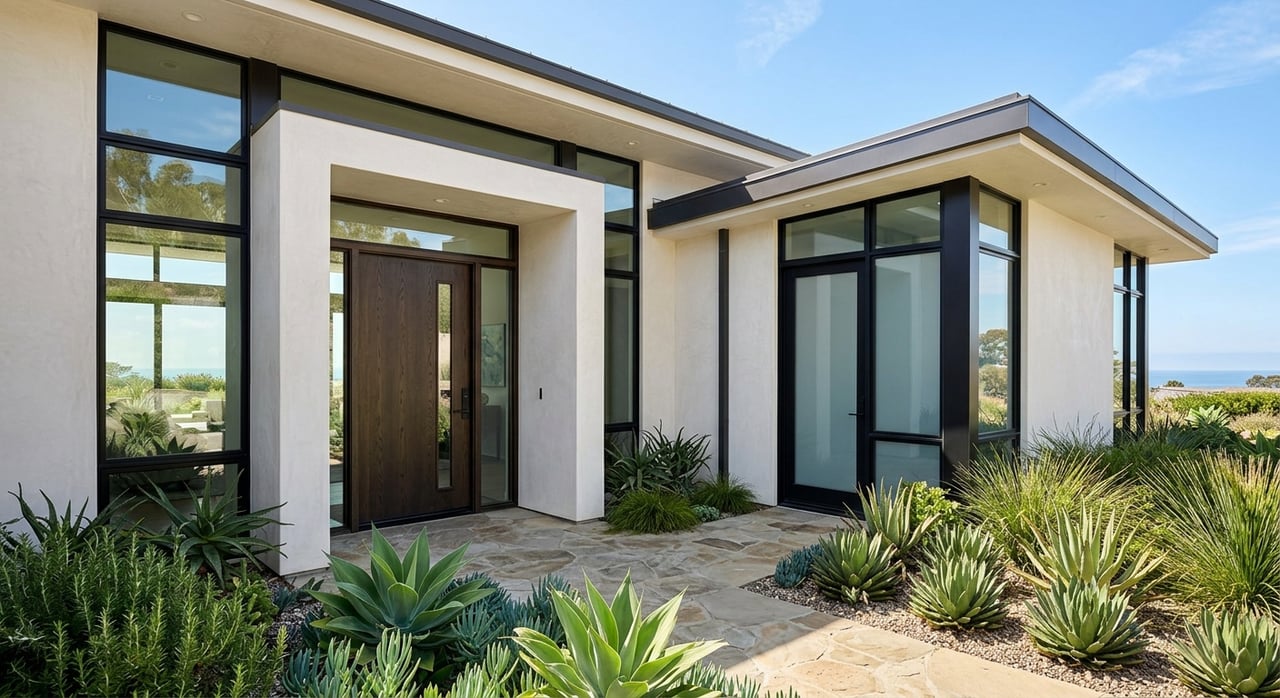
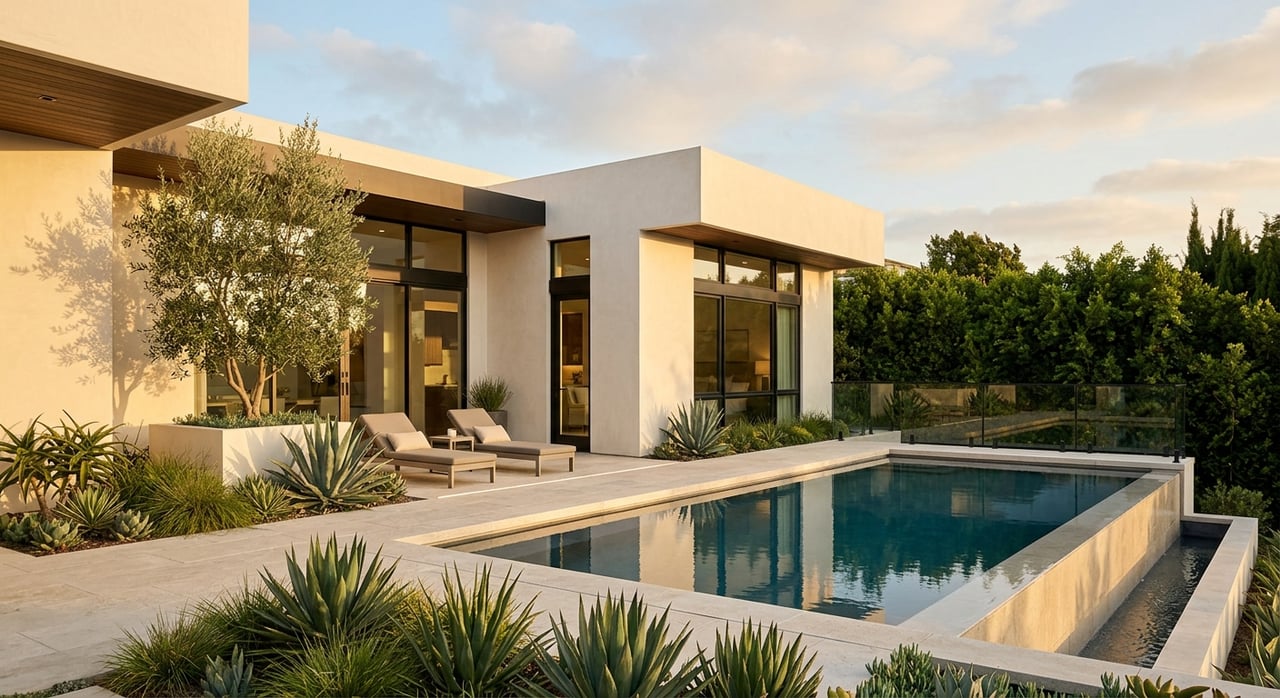
If you are drawn to cinematic views, glassy modern architecture, and a lock-and-leave lifestyle near West Hollywood, the Bird Streets may be exactly what you want. This hilltop enclave above the Sunset Strip is known for privacy, design pedigree, and long skyline-to-ocean vistas. In this guide, you will learn how architecture, lot type, and view corridors drive value, what to check before you write an offer, and how to evaluate opportunities fast, even from afar. Let’s dive in.
Why the Bird Streets stand out
The Bird Streets sit on a ridge just north of the Sunset Strip in the 90069 area, with iconic street names like Blue Jay Way, Oriole, and Nightingale. The neighborhood is known for celebrity ownership, architect-led homes, and a high level of privacy. For many buyers, the appeal is central access to West Hollywood combined with hillside seclusion and elevated views. You can get a quick sense of the area from the concise Bird Streets neighborhood guide.
Architecture you will see
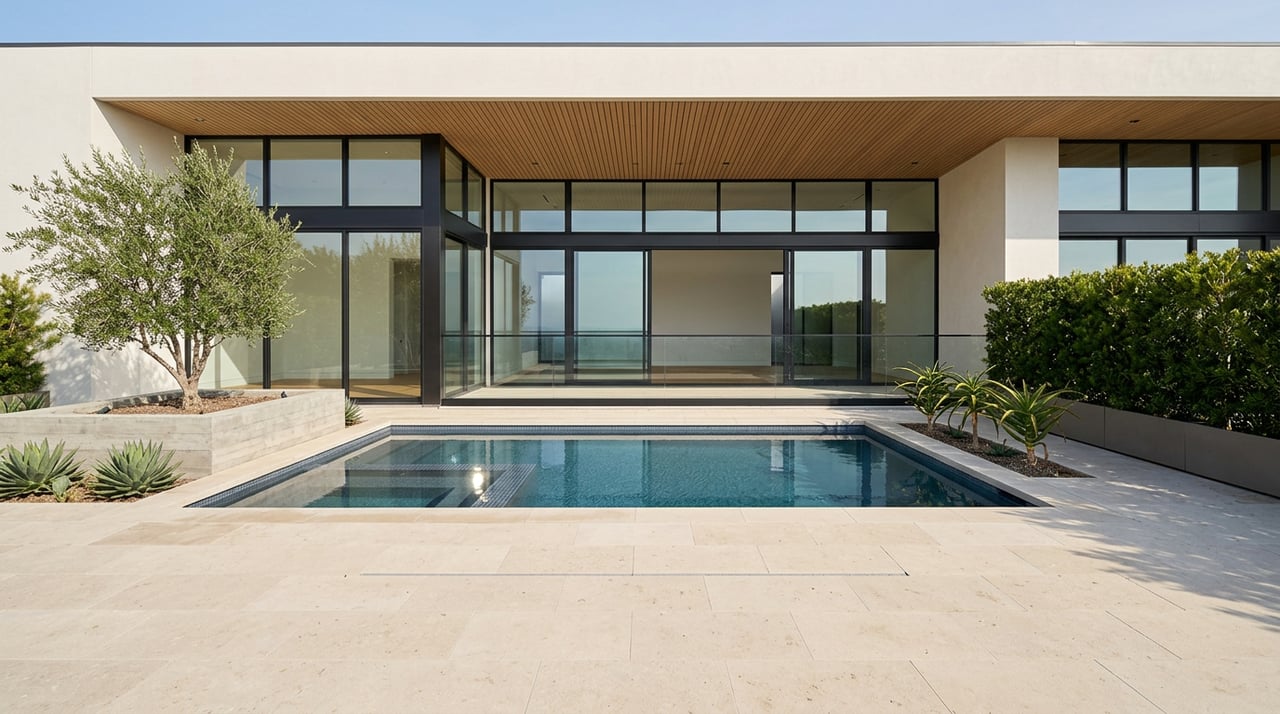
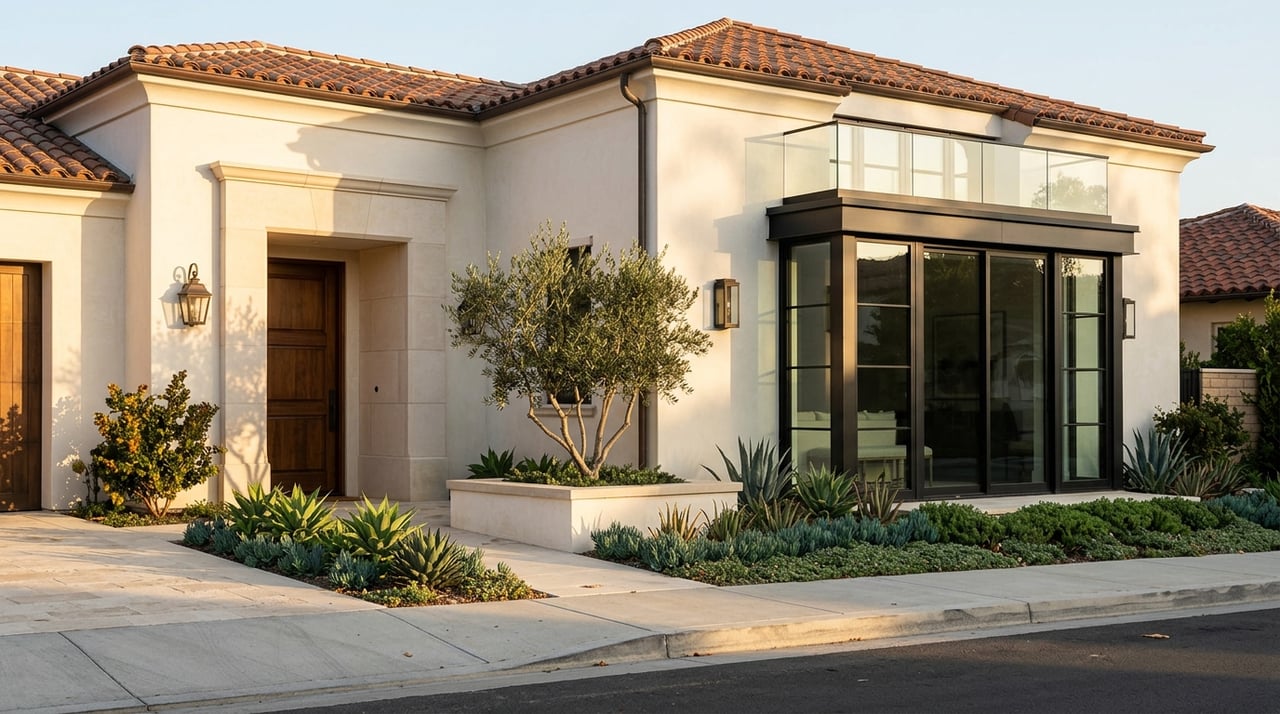
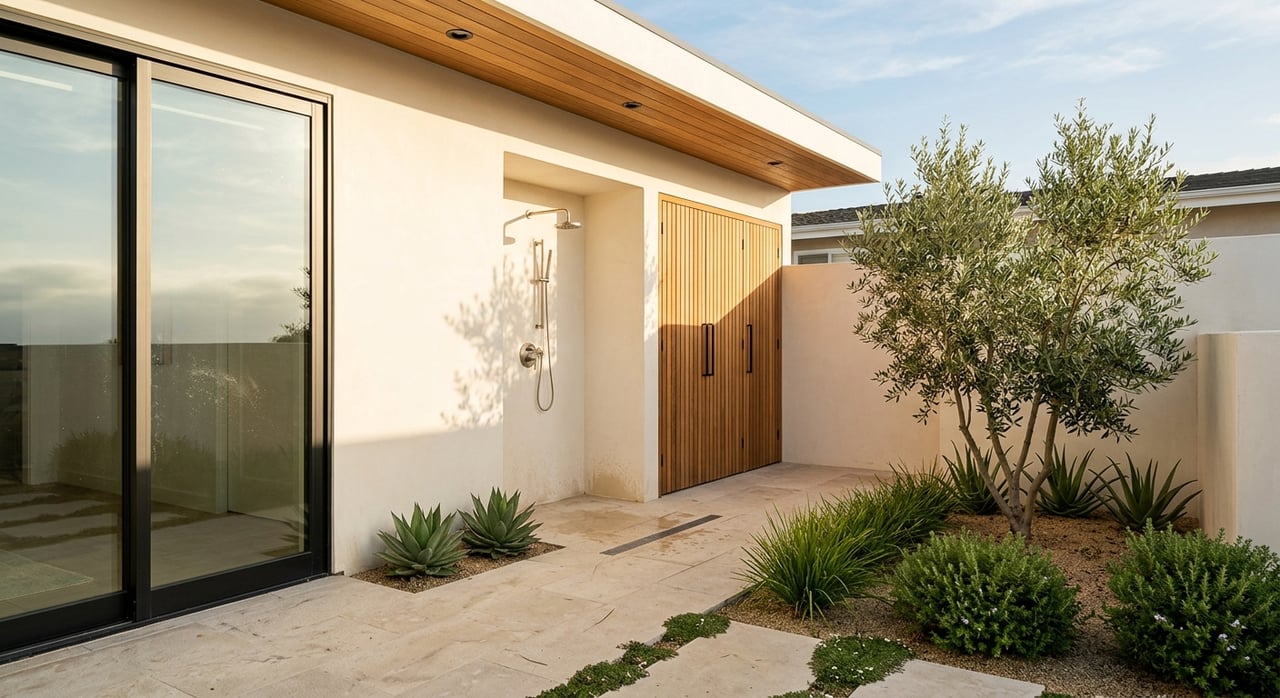
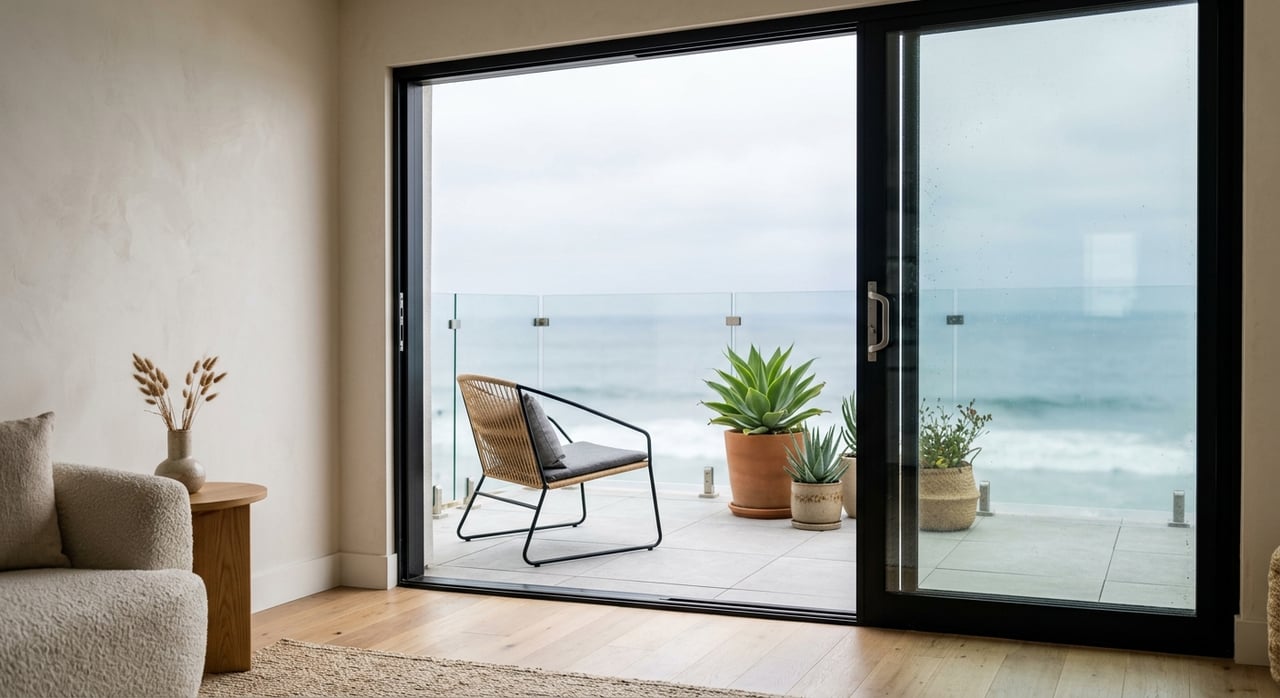
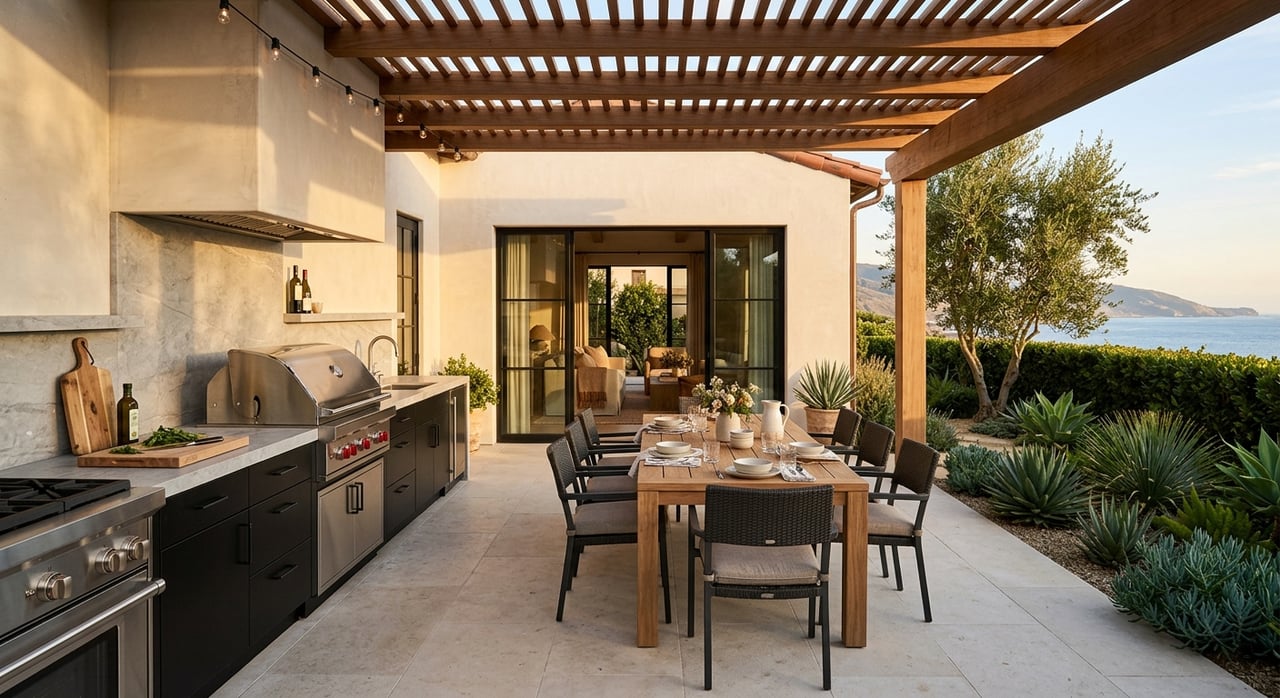
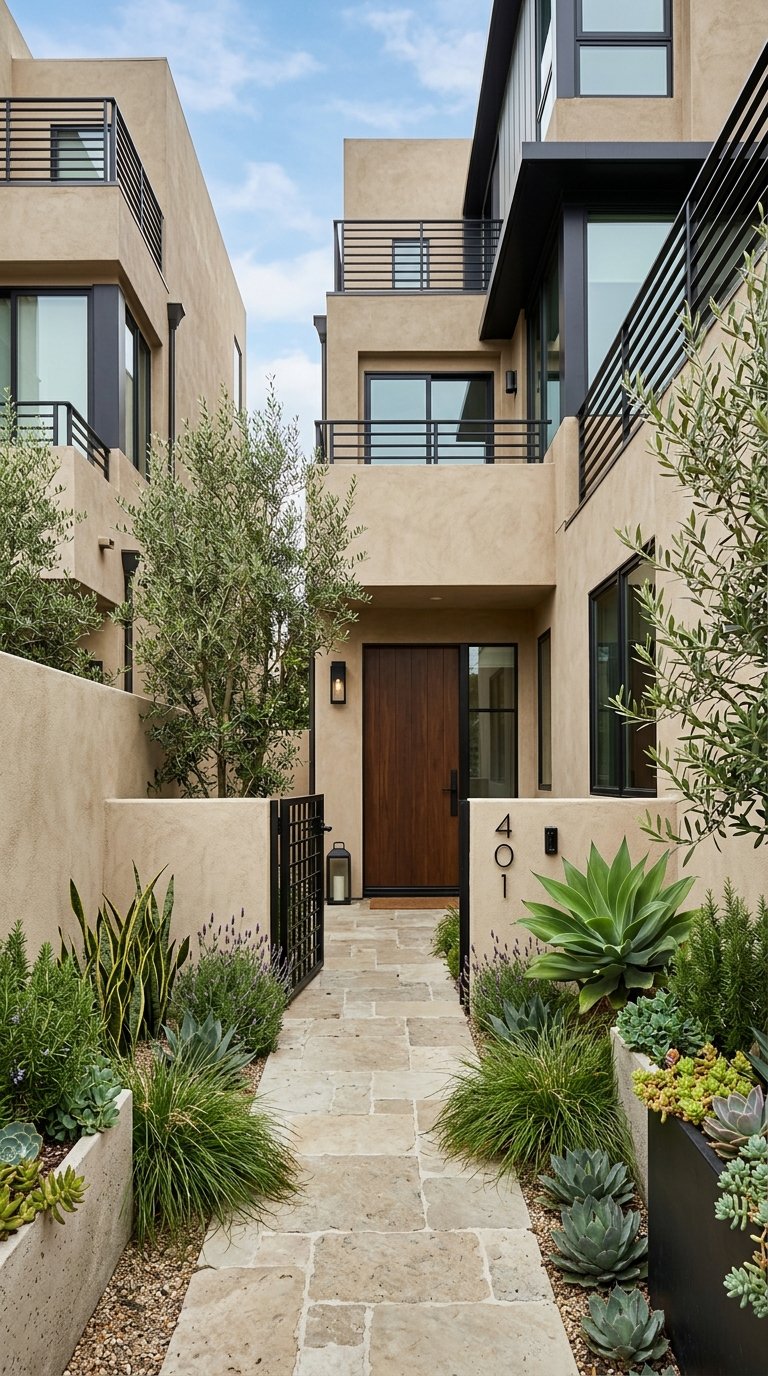
You will see a strong mix of contemporary and ultra-modern homes, many with full renovations or new ground-up builds. Mid-century modern and Spanish or Hollywood Regency styles are also present, often updated to a luxury standard. Expect expansive glazing, open-plan living, and cantilevered forms that frame the view. Common amenities include infinity-edge pools, wellness or theater suites, guest houses, and multi-level or subterranean garages.
Lots, pads, and siting that shape value
Lots trend steep, terraced, and often narrow at the street. Flat, buildable pads are rare and command a premium. The most valuable parcels are on promontories or flag lots with long, unbroken sightlines across the basin to the ocean. Engineered foundations and strategic excavation are common, so verify how the site was built and where future improvements can go.
The view and privacy premium
Views vary block by block. Depending on orientation and elevation, you may capture downtown, the city skyline, or ocean and Catalina on clear days. Renovated view homes in this enclave can command very high price-per-foot, with trophy properties reaching into the several-thousand-per-foot range. Privacy also matters. Gated entries, landscape buffers, and setback relationships influence both livability and value. If a view is central to your decision, confirm whether it is protected by any recorded rights, which leads to the next point.
What California law says about views
In California, you generally do not own an automatic right to keep a view unless a recorded easement, CC&Rs, or local ordinance provides it. Do not assume a view will remain unchanged over time. To reduce risk, verify title for any recorded view easements and check for relevant local restrictions. A clear primer on this topic is the California view rights overview.
Hillside rules that affect projects
Los Angeles applies specific hillside regulations through the Baseline Hillside Ordinance that limit grading, shape allowable floor area, and add geotechnical and review steps. These rules can turn a simple renovation idea into a more complex discretionary process. Review the Baseline Hillside Ordinance guide for an outline, then confirm parcel overlays and prior permits with the City’s ZIMAS parcel lookup.
Site risks to flag early
- Fire and insurance. Southern California insurance markets continue to evolve. Properties in brush zones or on hard-to-access drives may face underwriting limits or higher premiums. The California Department of Insurance update is a helpful resource when you request quotes and mitigation guidance.
- Slope and seismic. Steep lots require project-specific geotechnical investigations and may involve caisson foundations or significant retaining walls. Expect geotechnical reporting and longer permitting timelines on complex sites, especially where major grading is proposed.
How it compares to other Westside hills
- Bird Streets vs Trousdale or Beverly Hills. Trousdale and parts of Beverly Hills offer larger, flatter estate pads. Bird Streets trades on steeper topography with closer access to the Sunset Strip and dramatic promontory views. Trophy pricing can overlap, but the Bird Streets premium concentrates in modern builds that maximize panoramic outlooks.
- Bird Streets vs Brentwood or Pacific Palisades. Brentwood and the Palisades feel more suburban and coastal. Bird Streets emphasizes centrality to Hollywood and West Hollywood, with hillside vantage points and a lock-and-leave profile that attracts second-home and pied-à-terre buyers.
For a sense of local buzz around the Hollywood Hills West lifestyle, explore this Los Angeles Times feature.
Quick pricing bands to frame expectations
Pricing ranges widely. As a directional frame based on recent activity in this enclave:
- Entry or smaller non-view opportunities: roughly low $3M to $6M.
- Renovated homes with reliable city or canyon views: roughly $6M to $20M.
- Trophy estates on prime promontories with skyline plus ocean: $20M and above.
The top tier is illustrated by a high-end Bird Streets example on North Doheny. Treat these bands as directional only. The same square footage can trade very differently based on view, pad size, privacy, and build quality.
A 72-hour buyer plan for remote or tight schedules
Use this checklist to triage fast, then deepen due diligence with your local team.
Phase 0: quick triage
- Confirm the exact parcel. Verify APN and street. Check overlays and context in ZIMAS parcel lookup.
- Recon the view. Use satellite and 3D maps, day and night photos, and sun-path tools to understand exposure and potential shadowing. Look for adjacent lots with room to build.
- Validate market context. Ask your agent for Bird Streets comps and insight on off-market or pocket listings. This micro-market often trades privately.
Phase 1: remote due diligence in 48–72 hours
- Title and CC&Rs. Pull title. Look for recorded view easements, lot-line changes, utility easements, and any HOA rules.
- Permit and code. Review LADBS permit history and ZIMAS overlays for hillside, grading, and fault zones. Flag unpermitted work or retaining wall history.
- Insurability. Confirm whether the parcel sits in a Very High Fire Hazard Severity Zone. Request preliminary quotes and learn what documentation carriers need. The California Department of Insurance update is a good reference point.
- Geotechnical feasibility. For steep or heavily terraced sites, get a desktop memo from a local geotechnical engineer. If you proceed, plan for borings and a budget that reflects potential caissons or substantial retaining.
Phase 2: focused on-site priorities
- Access and approach. Confirm legal access, the slope of the drive, and emergency vehicle turnarounds.
- Retaining and drainage. Inspect walls for movement, check scuppers and downspout routing, and look for signs of scour. Poor drainage is a common hillside issue.
- Privacy and sightlines. Stand on terraces, check angles to neighboring windows and roofs, and identify adjacent pads that could add mass in the future. Unless recorded protections exist, neighbors may build within zoning envelopes. Review the California view rights overview as context.
- Envelope and systems. Confirm roof materials, filtration and ventilation, and any fire-resistant elements highlighted in the listing. Luxury offerings often emphasize hardened envelopes and indoor air quality.
Phase 3: contract and closing
- Disclosures and representations. Require full statutory disclosures and specific representations on any known neighbor plans, recorded view protections, and permit history.
- Financing and insurance contingencies. Keep a clear insurance contingency and, if you plan major work, a contingency for geotech findings and any discretionary approvals under the Baseline Hillside Ordinance guide.
- Escrow holdbacks. For slope or drainage repairs, consider holdbacks until permits are pulled or work is inspected by the City. This reduces risk for remote closings.
How to get the most from design and presentation
In the Bird Streets, you are often buying architecture and setting as much as square footage. Small design moves can unlock big value, from a refined lighting plan to better indoor-outdoor flow. If you are choosing between a perfect-view modern and a strong-lot remodel, weigh the return on design updates against the time and complexity of hillside approvals. The right staging, finish updates, and landscape edits can elevate a good house into a compelling, market-ready residence.
Ready to compare properties or structure a smart, low-risk offer in the Bird Streets? Reach out to the Cathleen Shera Team for private guidance, design-forward strategy, and access to on and off-market opportunities.
FAQs
What defines the Bird Streets in Los Angeles?
- The Bird Streets are bird-named roads north of the Sunset Strip in 90069, known for architect-led homes, privacy, and skyline-to-ocean views, with a luxury micro-market feel.
Are my views protected if I buy in the Bird Streets?
- Not by default. In California, view protection exists only with a recorded easement, CC&Rs, or specific local ordinances. Verify title and any recorded instruments before you rely on a view.
How much do Bird Streets homes cost today?
- Directionally, smaller or non-view opportunities can start in the low $3M to $6M range, renovated view homes often range from $6M to $20M, and trophy estates on prime promontories reach $20M and above.
What should I check first if I am touring remotely?
- Confirm APN and overlays in ZIMAS, pull title for easements and CC&Rs, have your agent run Bird Streets comps, request a geotech feasibility memo for steep sites, and secure preliminary insurance guidance.
How do the Bird Streets compare to Trousdale or Beverly Hills?
- Trousdale and Beverly Hills tend to offer larger, flatter pads. The Bird Streets trade on vertical topography, closer Sunset Strip access, and dramatic panoramic views, with overlapping trophy pricing.
Can I expand the house or add a pool on a hillside lot?
- Possibly, but the Baseline Hillside Ordinance limits grading and massing. Expect geotechnical reports, slope analysis, and longer reviews for significant changes. Verify feasibility early.