Thinking about selling your La Jolla home but not sure when to make your move? Timing matters, especially in a coastal luxury market where buyer patterns shift with travel schedules and inventory. You want a smooth sale, a strong price, and a plan that respects your time. In this guide, you’ll learn the best months to list in La Jolla, how different buyer groups shop throughout the year, and a step-by-step prep timeline that sets you up to win. Let’s dive in.
When homes sell fastest in La Jolla
La Jolla follows a familiar pattern, but with coastal and luxury twists. National research shows housing demand is strongest in spring, and La Jolla benefits from that surge too. The mild climate keeps showings steady year-round, yet buyer availability often concentrates when people travel and relocate.
The practical takeaway is simple: the best overall windows to list in La Jolla are late February through June, with a second, smaller luxury and second-home window in September to October. Late November through January usually brings lighter traffic and fewer showings.
Spring peak: late February through June
Spring draws the widest audience. Relocating buyers align moves with job starts and school calendars. Local upsizers and downsizers respond to fresher inventory. Competition can be high, which supports strong pricing and faster timelines when supply is tight.
Fall window: September to October
Affluent and second-home buyers often return from summer travel and view in early fall. Inventory can be lean, so a standout property may capture strong attention with less competition. This window is especially useful for high-end and ocean-view listings.
Summer and winter notes
Early summer can carry spring momentum, though July and August sometimes see slower touring due to vacations. Winter months tend to be the quietest. Motivated buyers still shop, but you may need to price with the season in mind.
Match your buyer to the season
Different buyer groups peak at different times. Align your launch with the audience most likely to value your home’s strengths.
- Relocating and lifestyle buyers often shop in spring and early summer when moves are easier to plan.
- Local move-up and downsizing buyers follow inventory, with activity clustering in spring.
- Second-home and international buyers are more flexible and often tour in spring and early fall.
This mix shapes strategy. In spring, you can price to encourage competition if inventory is tight. For luxury listings, a well-prepared fall launch can stand out when there are fewer comparable homes.
Watch these market signals
Use the four weeks before launch to confirm your timing with data. Focus on:
- Inventory and months of supply. Low supply and rising demand favor sellers.
- New listings and pending sales, week by week. Pended deals signal active buyers.
- Days on market trends. Falling DOM means faster sales are likely.
- List-to-sale price patterns. Strong premiums suggest healthy competition.
- Mortgage rate direction. Lower rates usually widen the buyer pool.
- Local factors such as job announcements, UC San Diego hiring cycles, and tourism trends.
- Any permitting needs for pre-sale work, especially for coastal properties.
Local MLS dashboards and SDAR, along with statewide and national research, are helpful reference points as you finalize dates and pricing.
Your prep timeline for a spring or summer launch
Your preparation window depends on condition and price point. Well-maintained, market-ready homes often need 6 to 8 weeks. Luxury properties or homes needing updates may need 3 to 6 months or more.
3 to 6 months out
- Select a local agent with La Jolla coastal and luxury experience. Align on comps, timeline, and goals.
- Plan major repairs and any permit-dependent work with the City of San Diego and the California Coastal Commission if applicable.
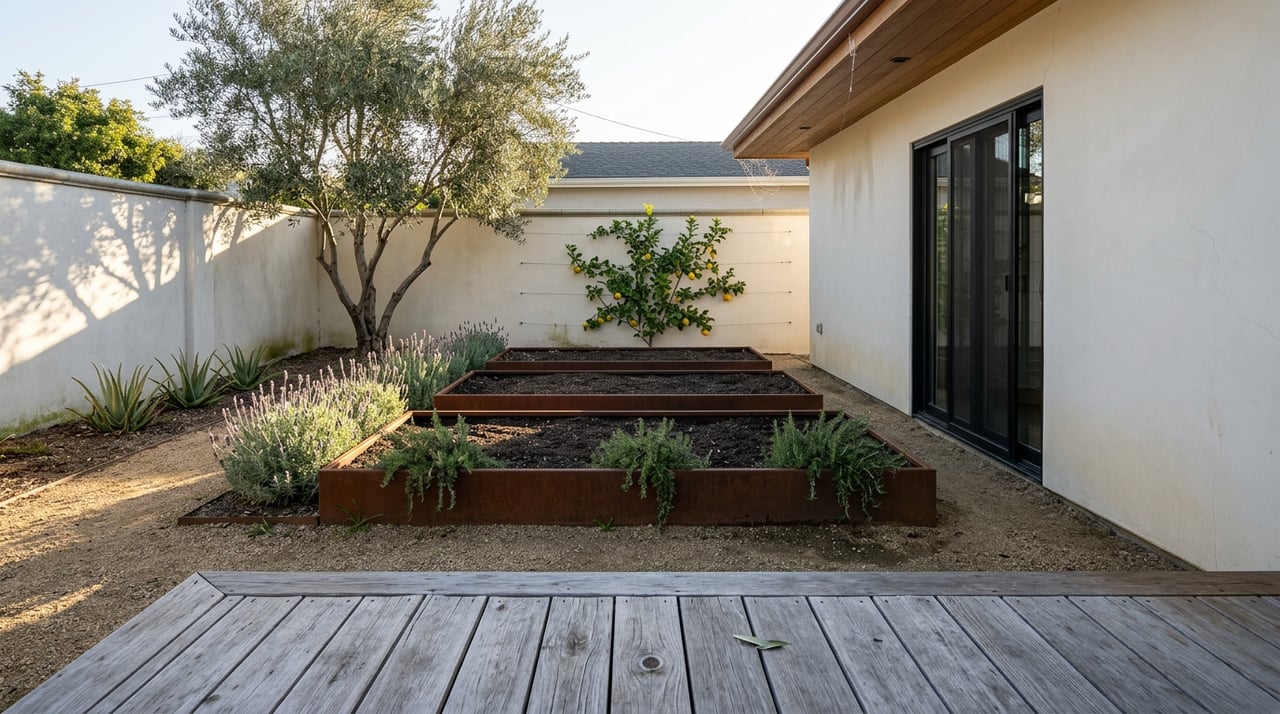
- Begin landscape and curb-appeal improvements using drought-tolerant choices.
- Decide on decluttering and staging scope. Book professional staging early if you plan to use it.
6 to 8 weeks out
- Complete repairs, cosmetic updates, and a deep clean.
- Schedule professional photography. Consider twilight and aerial imagery if appropriate and permitted.
- Consider pre-listing inspections, including termite, to shorten buyer contingencies.
- Finalize staging, cleaning, and landscape touch-ups.
2 to 3 weeks out
- Meet with your agent to confirm valuation and pricing based on the most recent comps.
- Prepare marketing assets such as floor plans, virtual tours, and a neighborhood market snapshot.
- Complete required disclosures, including the Transfer Disclosure Statement and Natural Hazard Disclosure.
- Set launch logistics such as broker preview, open house timing, and showing instructions.
Listing week and first 14 days
- Execute final photos and launch to the MLS.
- Coordinate targeted outreach to qualified agents and active buyers.
- Track showing feedback and interest. Be ready to adjust price or terms within the first two weeks if the market response is softer than expected.
Pricing and strategy by season and property type
A smart pricing approach reflects both the season and your segment.
- Spring strategy. If supply is tight and pendings are strong, a price that invites multiple offers can work well for mid-tier properties. Review very recent comps to stay grounded.
- Luxury properties. Thin comparables and longer marketing windows favor disciplined, market-based pricing with elevated, bespoke marketing.
- Summer and winter strategy. In midsummer and late fall or winter, expect fewer tours. Build in a pricing and negotiation plan that fits the pace of the season.
- Negotiation. Spring can bring stronger terms and faster timelines. Slower seasons may include more contingencies or extended due diligence.
Coastal rules and disclosures that affect timing
Preparation prevents delays. In California, you will provide standard disclosures, including the Transfer Disclosure Statement and the Natural Hazard Disclosure Statement. A termite report is commonly requested and can be completed before listing.
For exterior work near the coast, confirm City of San Diego and California Coastal Commission requirements early, since review timelines can be lengthy. If your home is in an HOA, verify rules for signage, showings, and any rental history disclosures. For taxes and reassessment obligations, consult your tax advisor to plan closing timing.
Presentation that moves the market
In La Jolla, presentation can change outcomes.
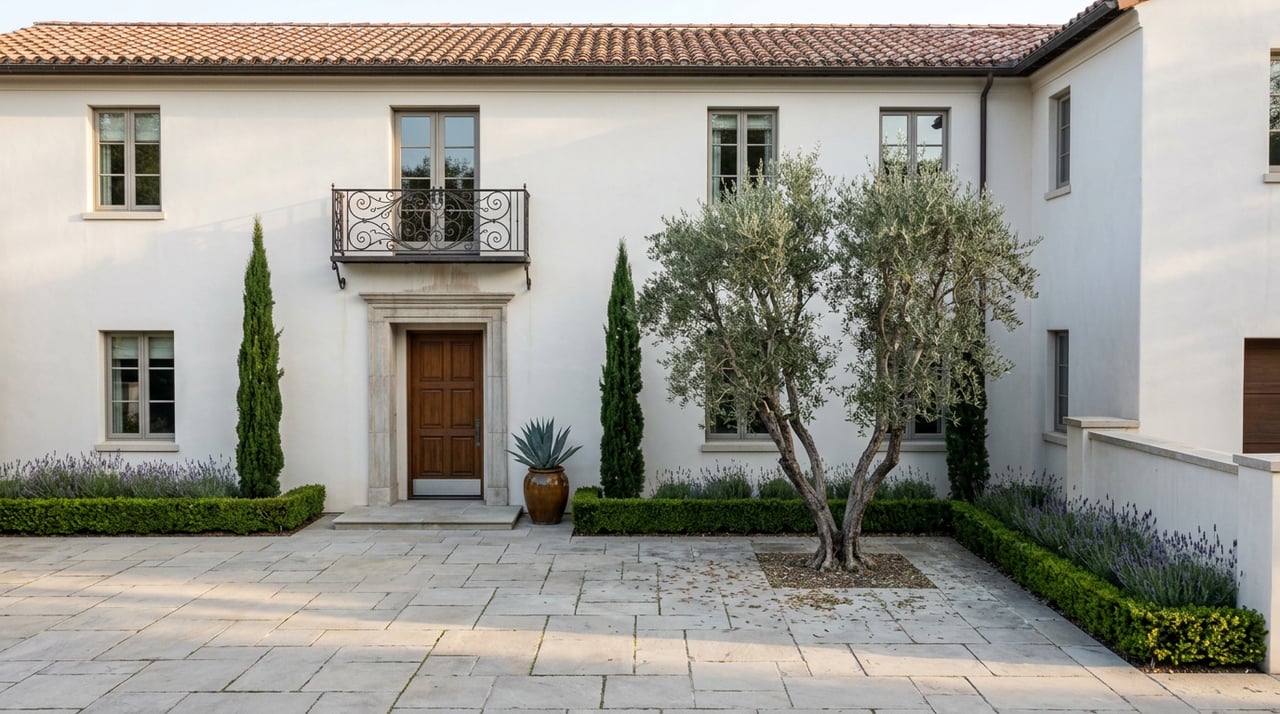
- Curb appeal. Keep landscaping neat and water-wise. Fresh mulch and trimmed hedges go a long way.
- Light and photography. Showcase ocean light with bright interiors and consider twilight images for view properties.
- Comfort. Ensure HVAC and ceiling fans work well so showings feel calm and comfortable.
- Privacy and security. For high-end homes, rely on private, vetted appointments and clear showing protocols.
How to pick your exact launch week
Use a final checklist two to four weeks before you list:
- Compare new listings and pendings in your submarket, such as Shores, Village, Bird Rock, or Muirlands.
- Confirm DOM is stable or improving and that recent sales support your price.
- Watch mortgage-rate headlines for momentum shifts.
- Avoid major holiday weekends and plan around spring breaks if you hope to attract relocating families.
Ready to sell with confidence
When you combine the right season with polished presentation and precise pricing, you set the stage for a faster, higher-confidence sale. If you want a design-led plan, from curated staging to valuation and concierge marketing, the Cathleen Shera Team is ready to help you time your launch and present your home at its best.
FAQs
What is the best month to sell a home in La Jolla?
- Late February through June is the strongest overall window, with another effective period in September to October for luxury and second-home buyers.
Is fall a good time to list a luxury La Jolla property?
- Yes, early fall can work well for high-end listings since affluent buyers return from summer travel and competing inventory can be lower.
How far in advance should I prepare to sell my La Jolla house?
- Plan on 6 to 8 weeks for a market-ready home and 3 to 6 months or more for luxury properties or homes needing updates.
Do I need permits for pre-sale work near the La Jolla coast?
- Exterior work near the coast may require City of San Diego and California Coastal Commission review, so verify timelines early to avoid delays.
Should I stage my La Jolla home before selling?
- Staging and design-led presentation help buyers see the lifestyle value, which can support stronger pricing and quicker sales.
How do mortgage rates affect the timing of my La Jolla listing?
- Falling rates usually increase buyer activity and support a stronger launch, while rising rates can slow demand and affect pricing strategy.