
June 25, 2026
Are you drawn to the charm of an older La Jolla home, or does the ease of newer construction sound more appealing? In this market, that choice is rarely simple, especially when architecture, coastal conditions, and local review rules can all affect your experience as an owner. If you are weighing character against convenience, this guide will help you compare the tradeoffs with more clarity. Let’s dive in.
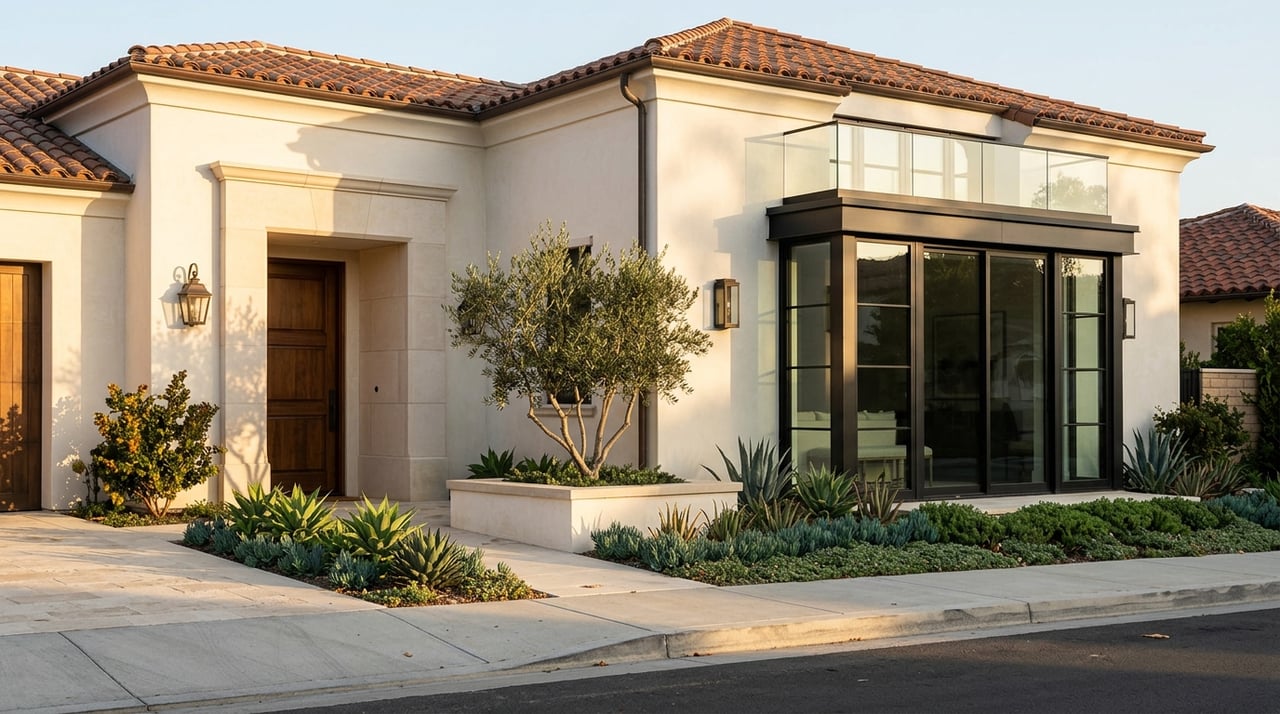
La Jolla has a wide architectural range, from late-19th- and early-20th-century beach cottages and bungalows to 1920s Spanish Revival homes and midcentury modern properties shaped by California Ranch and International Style design. That variety gives buyers real options, but it also means age alone does not tell the whole story.
In La Jolla, “historic” is not just a casual description. The La Jolla Historical Society notes that roughly 200 sites in the area have received historic designation, and the City of San Diego can designate both individual sites and historic districts. In the coastal core, the La Jolla Park Coastal Historic District includes a period of significance from 1887 to 1940.
For you as a buyer, the better question is not simply whether a home is old or new. It is whether you want architectural character, a simpler move-in path, or a property with renovation potential that fits your goals.
Historic homes in La Jolla often stand out for their original proportions, materials, and architectural detail. These are qualities that many buyers find difficult to recreate, even in high-end custom construction. If you value design authenticity and a sense of place, an older home may offer something truly distinctive.
There can also be practical upside. In San Diego, qualified historic properties may be eligible for a Mills Act agreement, which can provide property-tax relief. That benefit can be meaningful, but it comes with responsibilities that deserve close review.
Many historic homes deliver a level of visual character that is central to their appeal. Original windows, period detailing, established facades, and mature siting can create a living environment that feels layered and specific to La Jolla’s history.
For buyers who appreciate architecture, that identity can carry long-term value. It also tends to make these properties feel less interchangeable than newer inventory.
A Mills Act agreement is not a simple tax break with no strings attached. In San Diego, it is a 10-year contract that runs with the property and requires maintenance, restoration, and rehabilitation consistent with Secretary of the Interior standards.
That means if you buy a historic home with an active Mills Act contract, you are also taking on ongoing obligations. Before moving forward, you will want to understand exactly what work may be required and how those standards could affect your plans.
Historic homes can be rewarding to improve, but project planning often takes more care. The City of San Diego says historic review may be triggered if a project involves a structure that is 45 years or older, a designated historic property, or a property in a historic district.
Most historic reviews require a photographic survey and a county building record. If you are thinking about changing windows, expanding a footprint, or reworking exterior details, it is smart to evaluate that review path early.
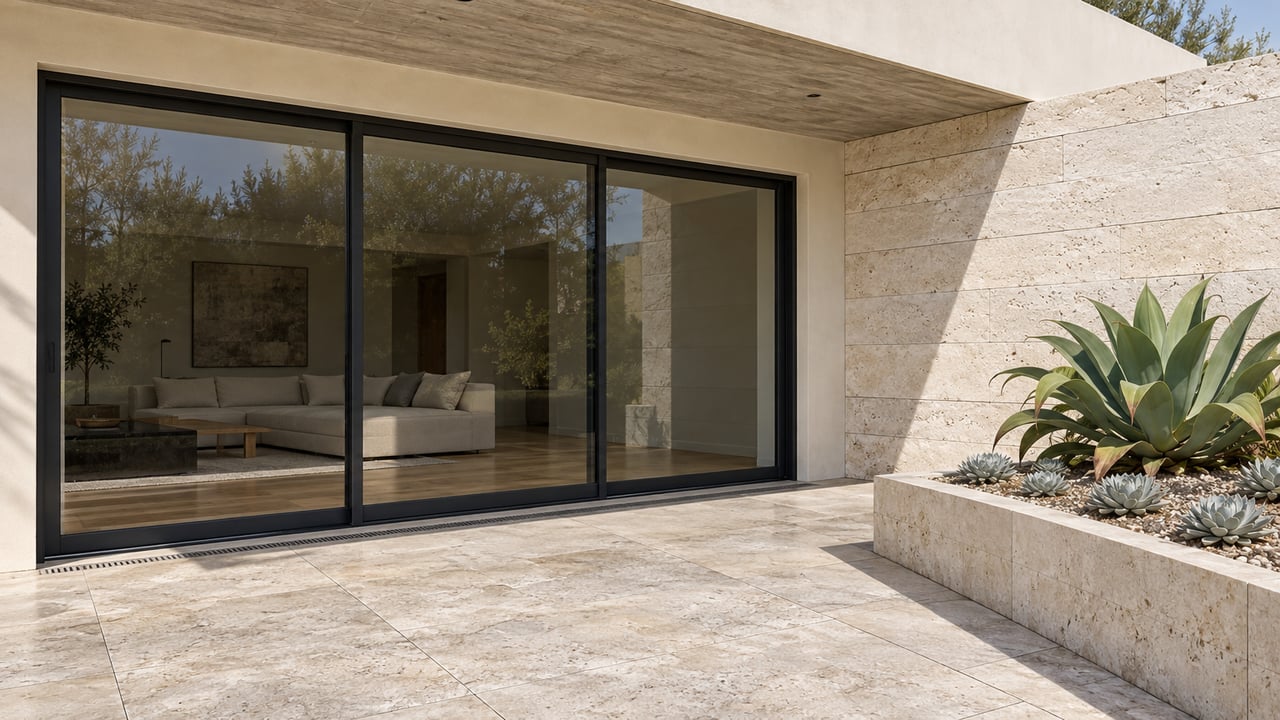
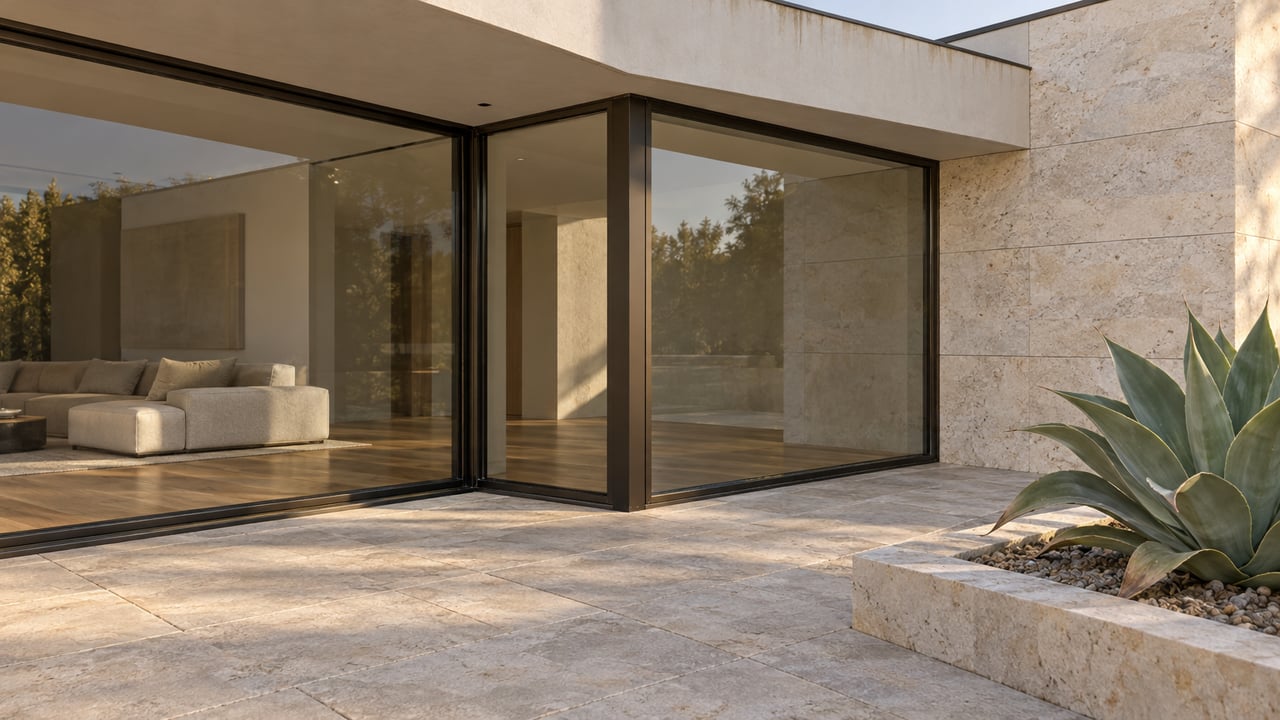
Newer homes usually appeal to buyers who want current systems, a more turnkey experience, and fewer immediate replacement projects. In a market like La Jolla, that can be especially attractive if you are balancing a primary residence, second home, or relocation timeline.
They also tend to align more closely with today’s energy-performance expectations. California’s Building Energy Efficiency Standards are updated every three years, and the 2025 code took effect on January 1, 2026, with emphasis on heat pumps, electric-ready construction, solar-plus-storage, and improved ventilation.
For many buyers, the biggest advantage of a newer home is predictability. Mechanical systems, building assemblies, and overall performance may require less immediate attention, which can make the first years of ownership feel more straightforward.
If you prefer a cleaner move-in experience, newer construction may better support that goal. It can also offer a simpler path for adding modern lifestyle features, depending on the property and location.
Newer does not mean friction-free forever. It simply means you may be less likely to face immediate system upgrades compared with an older property.
If your priority is convenience, a newer home may still be the right fit. But it is worth remembering that coastal ownership in La Jolla asks for ongoing attention no matter when a home was built.
One of the most important realities in La Jolla is that the coastal environment affects all homes, not just older ones. Salt spray and moisture can accelerate corrosion and decay, and FEMA notes that exposure is greatest near breaking waves and generally declines farther inland.
That means your buying decision should include a close look at materials, hardware, and exterior detailing. Whether a home is historic or recently built, weak material selection or poor installation can create maintenance issues over time.
Metal connectors, fasteners, and exposed components are especially important in a coastal setting. FEMA notes that salt air can corrode these elements, which is why corrosion-resistant materials and careful detailing matter in newer construction as well.
For an older home, the question may be how well original or replacement materials have held up. For a newer home, the question is whether the builder specified the right products for a marine environment.
La Jolla’s climate is also part of the ownership experience. The National Weather Service describes the marine layer as a coastal inversion that is most common in late spring and early summer, often associated with May Gray and June Gloom.
That pattern may influence how a home feels from season to season, especially near the coast. Orientation, ventilation, and material choices can all affect comfort, whether the property is historic or new.
When you compare a historic home with a newer one, the most useful step is to look past aesthetics and focus on ownership complexity. A beautiful home can still come with review requirements, maintenance obligations, or future permitting hurdles.
These are some of the most important questions to ask during your search:
If you are buying with plans to expand, add living space, or rebuild later, newer construction does not automatically create a simpler path. In San Diego’s Coastal Overlay Zone, ADUs and JADUs that are not fully contained within the existing primary structure or that add habitable area may require a Coastal Development Permit.
Demolition or removal in the Coastal Zone can also require approval from the City or the California Coastal Commission. In other words, future flexibility depends on the property and the scope of work, not just the home’s age.
If you value architectural identity, preservation context, and the possibility of Mills Act incentives, a historic home may be the stronger fit. These homes often offer rarity and design depth that newer properties cannot fully duplicate.
If you prioritize current systems, efficiency, and a lower-friction move, a newer home may better match your lifestyle. That can be especially appealing if you want a more turnkey experience from day one.
In practice, the decision often comes down to how much character you want to preserve and how much project complexity you are comfortable managing. In La Jolla, neither category is automatically better. The right choice is the one that aligns with how you want to live, maintain, and improve the property over time.
If you want guidance comparing architectural character, renovation potential, and long-term ownership considerations in La Jolla, the Cathleen Shera Team offers a discreet, design-led approach tailored to coastal luxury buyers.

We pride ourselves in providing personalized solutions that bring our clients closer to their dream properties and enhance their long-term wealth. Contact us today to find out how we can be of assistance to you!